

Saúde Responsiva
Continuous monitoring and early identification of health risks.
Anticipate risks. Protect people. Coordinate responses.
ClimaSaúde 360 integrates Saúde Responsiva and Nexo Clima through the Higia Next2U and Zeus CS platforms. Health, climate and geographical data guide care for vulnerable populations and coordinated team action through a shared Operations Room.
Explore the programme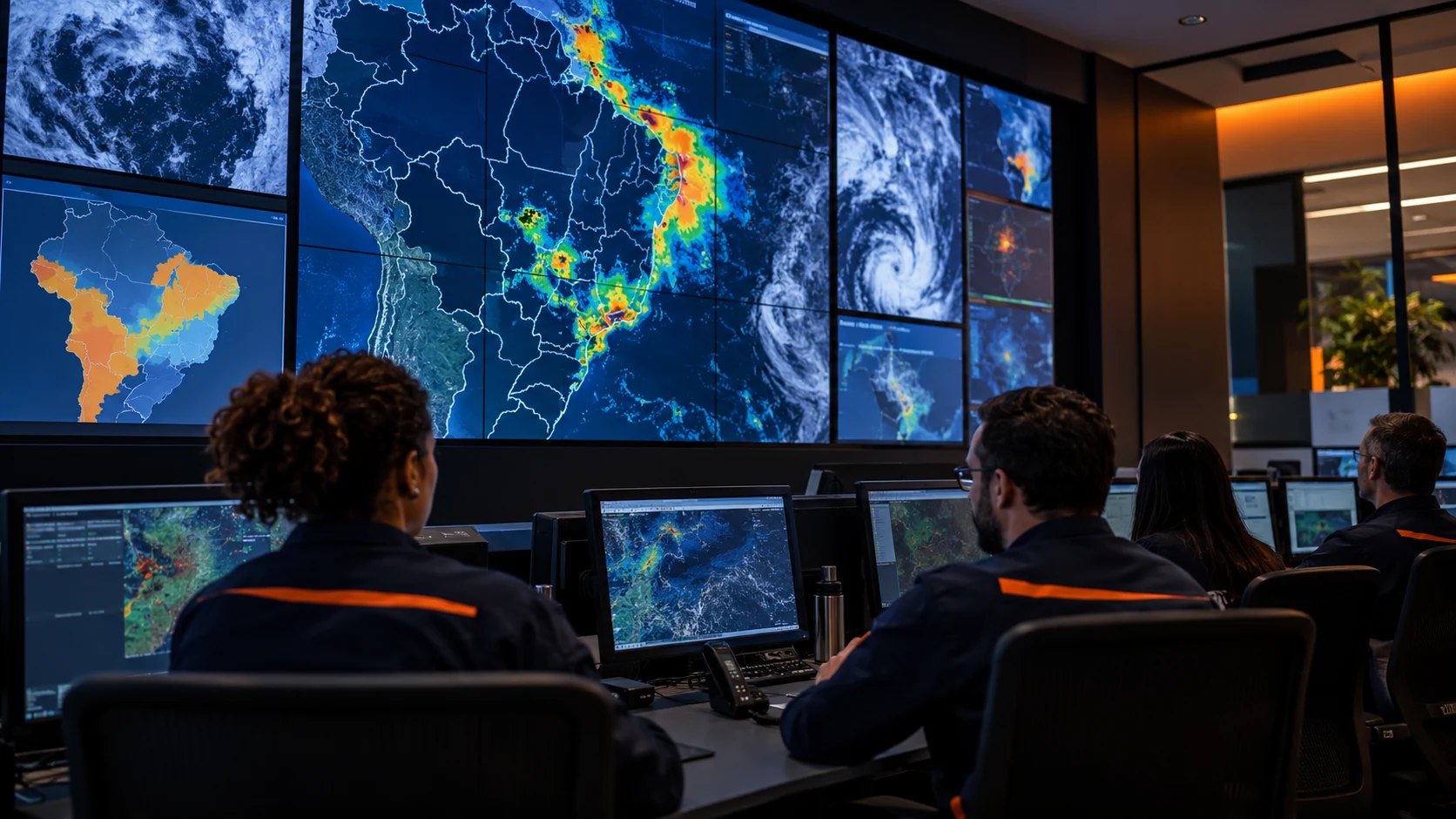
Saúde Responsiva monitors the population and organises care responses. Nexo Clima monitors climate and environmental events that may affect people, infrastructure and services. ClimaSaúde 360 combines these areas to understand what is happening, where, to whom and with what potential consequences.
Continuous monitoring and early identification of health risks.
Monitoring environmental and climate events and their local impacts.
Higia Next2U and Zeus CS used together.
A shared room, coordinated teams, dashboards and communication channels.
Organises health signs and conditions, patients with chronic diseases and priority groups, helping turn information into alerts, tasks and action.
Incorporates climate, environmental and geographical information to monitor events and conditions requiring attention.
Connects local exposure and vulnerabilities to support care for people needing particular attention.
Brings information, technology and teams together in an integrated municipal view.
Health, Civil Defence, Social Services, Environment, Public Works, Sanitation and Education can share information and protocols.
Alerts can be classified by severity, assigned to responsible teams and tracked through resolution.

By linking a climate event to the most exposed areas, operations can identify older people, patients with cardiovascular or respiratory conditions and other vulnerable groups requiring particular attention. Weather warnings can then inform monitoring, communication and response protocols.
Locate areas potentially affected by the event.
Relate health conditions and priority groups to exposed areas.
Activate teams and track responses under agreed protocols.
Explore the areas that make up the programme's approach.
Climate monitoring can guide preventive communication and targeted attention to groups most vulnerable to temperature changes.
Health and geographical information can support monitoring protocols and coordinated responses to heavy rainfall and flooded areas.
Local analysis helps identify exposure and coordinate information between the responsible departments.
Prolonged drought and environmental changes can trigger specific monitoring, communication and care protocols.
Monitoring environmental conditions can support action planning and follow-up in areas requiring attention.
Gather information on health, climate and local conditions.
Link events, exposed areas and vulnerable groups.
Organise alerts by severity and response protocols.
Assign tasks and notify responsible teams.
Track actions and resolution of identified situations.
Strengthen the ability to recognise risks and target protective measures.
Reduce fragmented information and strengthen coordination across departments.
Use shared rooms, teams, dashboards and communication channels, avoiding duplicated investment.
Support decisions with data and prepare responses to climate change impacts.
Integrations, workflows and protocols depend on available data, infrastructure and responsibilities agreed with the municipality.
ClimaSaúde 360 brings together Saúde Responsiva and Nexo Clima. Explore the programmes behind this integrated operation.